

The Canzo Forest
A trip into the Spirit of the Woods
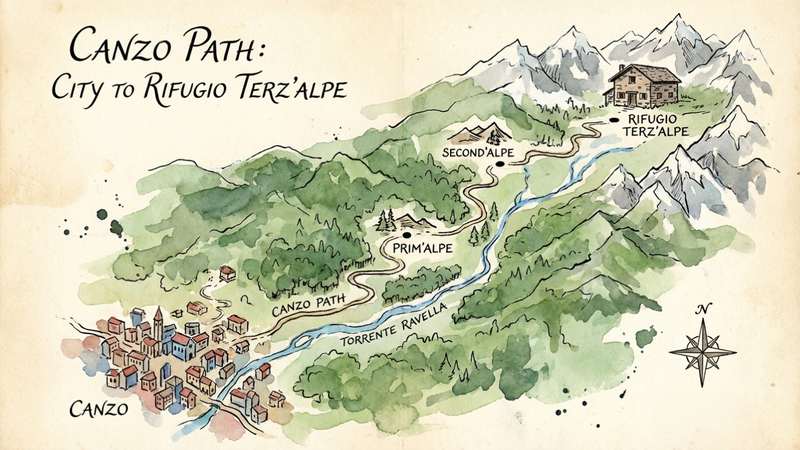

The Canzo forest unfolds as a deep, emerald sanctuary where the rugged limestone peaks of the Triangolo Lariano cast long shadows over a dense canopy of beech and chestnut trees. Sunlight filters through the leaves in jagged streaks, illuminating a moss-covered forest floor crisscrossed by the "Spirit of the Forest" trail, where whimsical wooden sculptures emerge from the gnarled roots like ancient guardians. The air here is cool and carries the sharp, clean scent of damp earth and alpine herbs, often punctuated by the distant, rhythmic ring of a hiker’s pole against stone or the rushing murmur of hidden streams. As the terrain climbs toward the jagged needles of the Corni di Canzo, the lush woodland thins into rocky outcrops, offering a silent, panoramic vantage point over the shimmering reach of Lake Como far below.
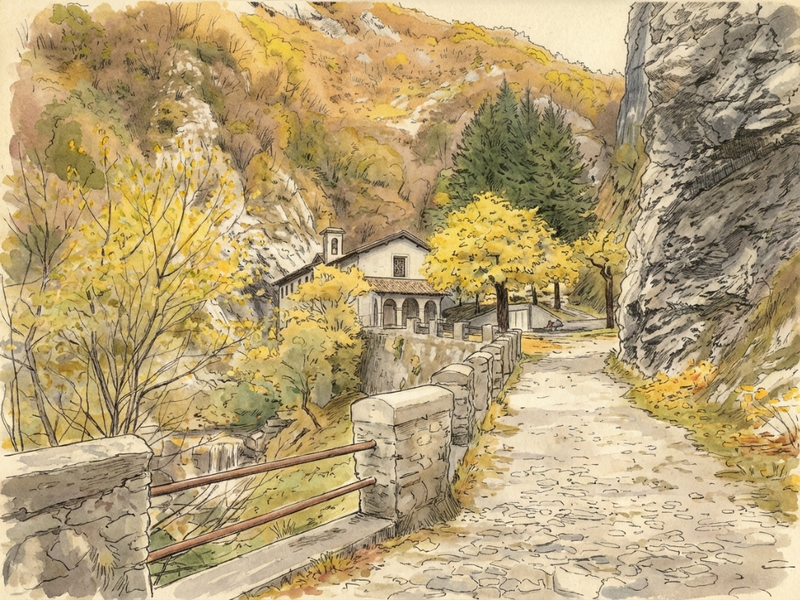
The Santuario di San Miro commands a quiet, stony presence above the village of Canzo, rewarding those who climb the mountain path with a masterclass in Romanesque simplicity. Built between the 15th and 16th centuries on the site of an earlier medieval structure, the church is dedicated to a local hermit known for his alleged power to summon rain during droughts. Its architectural profile is defined by a slender stone bell tower and a series of delicate frescoes that decorate the interior, illustrating the life of the saint with a rustic, devotional charm.
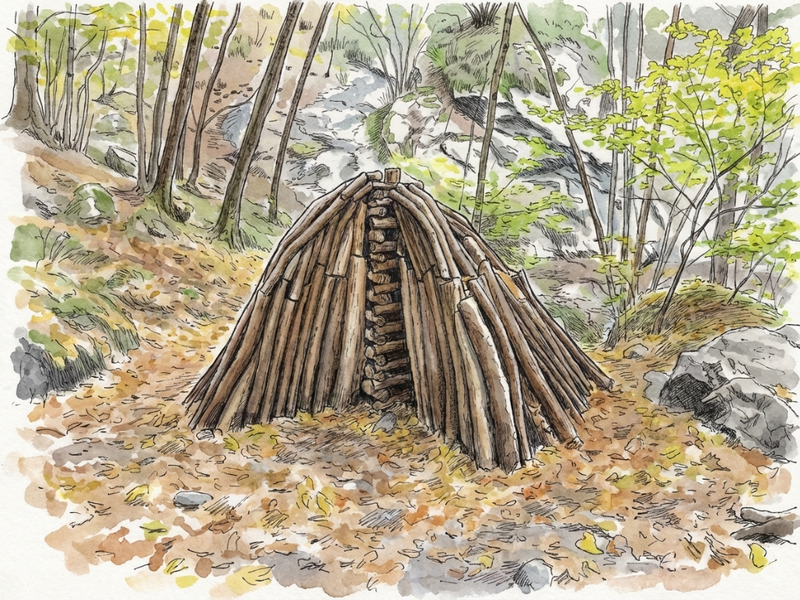
A carbonaia is a traditional, carefully engineered hearth used for centuries to transform wood into charcoal through the process of slow, anaerobic combustion. To construct one, a "charcoal burner" (carbonaio) meticulously stacks logs in a conical mound around a central chimney, covering the entire structure with a thick insulating layer of dry leaves and damp earth to prevent oxygen from igniting a full-scale fire. Once lit from the top, the mound undergoes a smoldering process that can last several days or even weeks; the burner must vigilantly monitor the color of the smoke—ranging from white to blue—to adjust air vents and ensure the wood carbonizes evenly without turning to ash. This labor-intensive method relies on the principle of pyrolysis, where the extreme heat drives off water and volatile gases, eventually leaving behind the lightweight, energy-dense carbon known as charcoal.
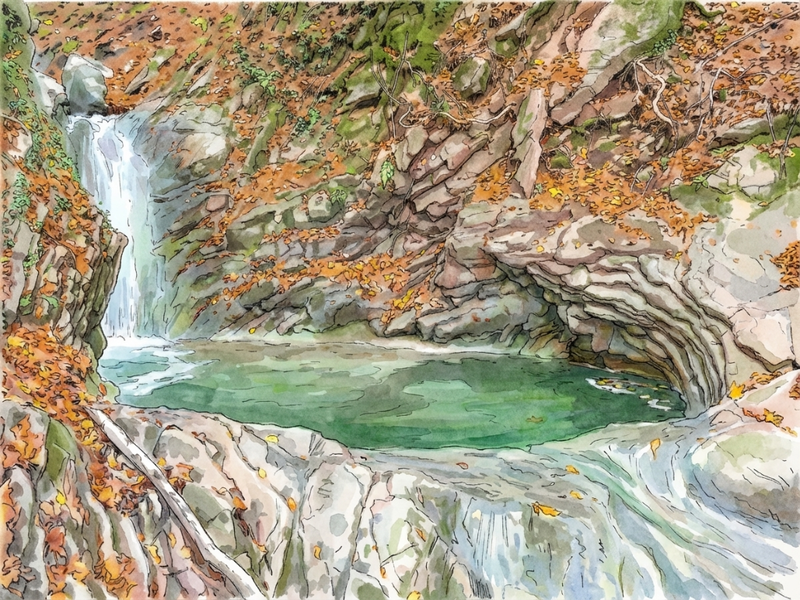
The Marmitte dei Giganti, or "Giants' Pots," are striking geological formations carved into solid rock by the relentless power of glacial meltwater. Formed during the retreat of ancient glaciers, these cylindrical depressions were hollowed out as high-pressure water streams carried pebbles and gravel into cracks, swirling them in a violent, "drill-like" motion that smoothed the stone into deep, cauldron-shaped basins. Often found in Alpine riverbeds or along rocky coastal stretches, these natural sculptures offer a dramatic glimpse into the Earth's hydraulic history, creating a landscape of smooth curves and emerald pools that feels more like an intentional art installation than a product of erosion.
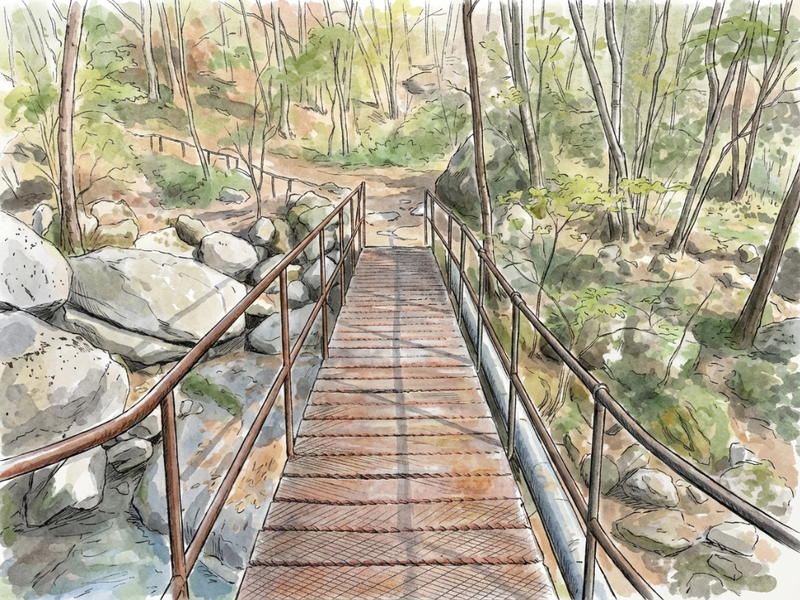

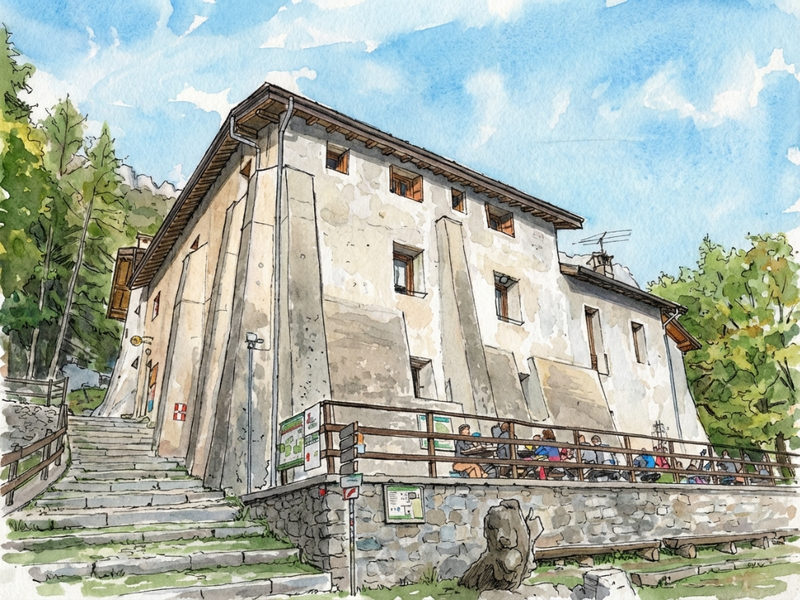
The Rifugio Terz’Alpe serves as a rustic, welcoming waypoint for hikers exploring the limestone peaks of the Triangolo Lariano. Located at the end of the evocative "Sentiero dello Spirito del Bosco," the stone farmhouse is surrounded by dense forests and the dramatic silhouettes of the Corni di Canzo. It retains an authentic, working-farm atmosphere where the scent of woodsmoke mingles with the aroma of traditional Lombard cuisine, particularly their hearty polenta and local cheeses. The sprawling grassy meadows outside offer a natural resting point for families and trekkers alike, providing a grounded, unpretentious gateway to the higher alpine trails of the Prealps.
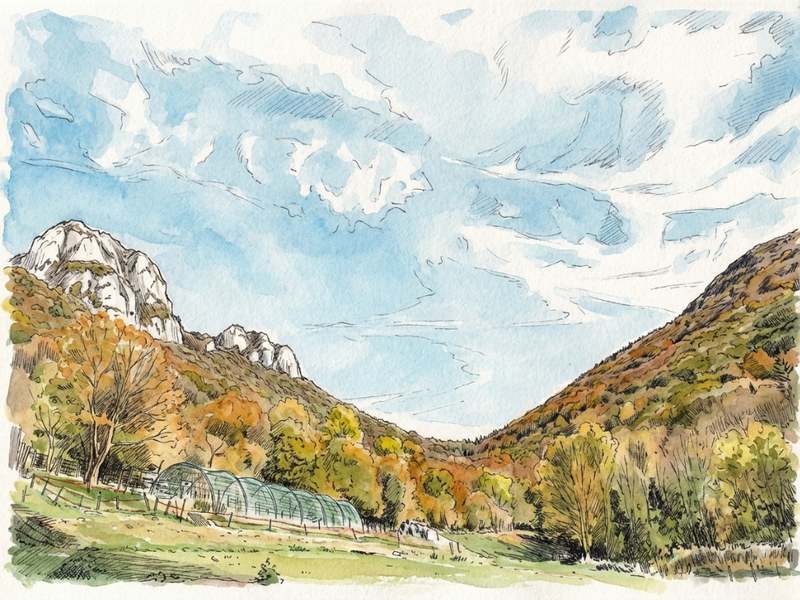
The Corno di Canzo Occidentale serves as the rugged, westernmost pillar of the iconic Triangolo Lariano peaks, rising to an elevation of 1,373 meters. Unlike its more jagged "twin" neighbors, this summit offers a broad, grassy crest that provides a panoramic balcony over Lake Como and the distant, snow-capped Alps. The ascent is defined by the transition from dense beech forests to open limestone pastures, where the trail skirts weathered rock formations and ancient glacial boulders. Reaching the top rewards hikers with a striking perspective of the Valbrona and the sheer limestone walls of the nearby Grigne, making it a quintessential destination for those seeking the raw, windy beauty of the Prealps without the crowds of more commercial viewpoints.
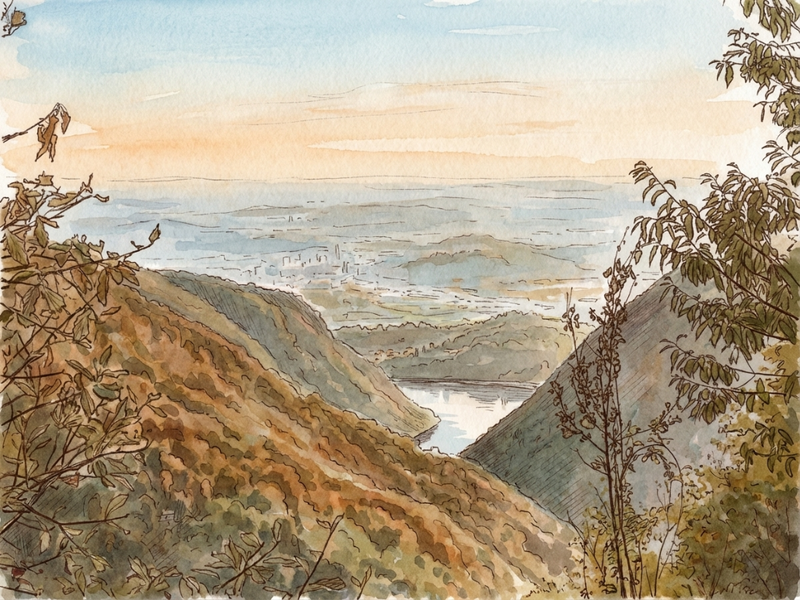
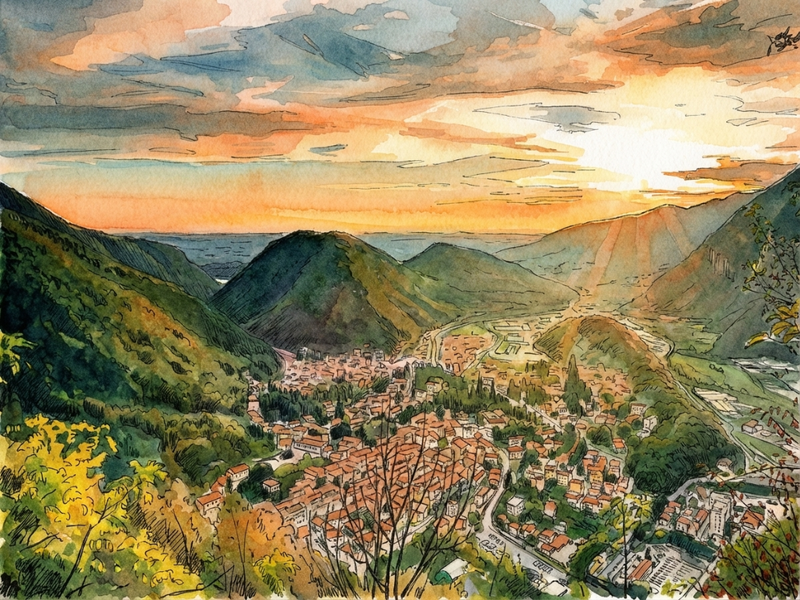
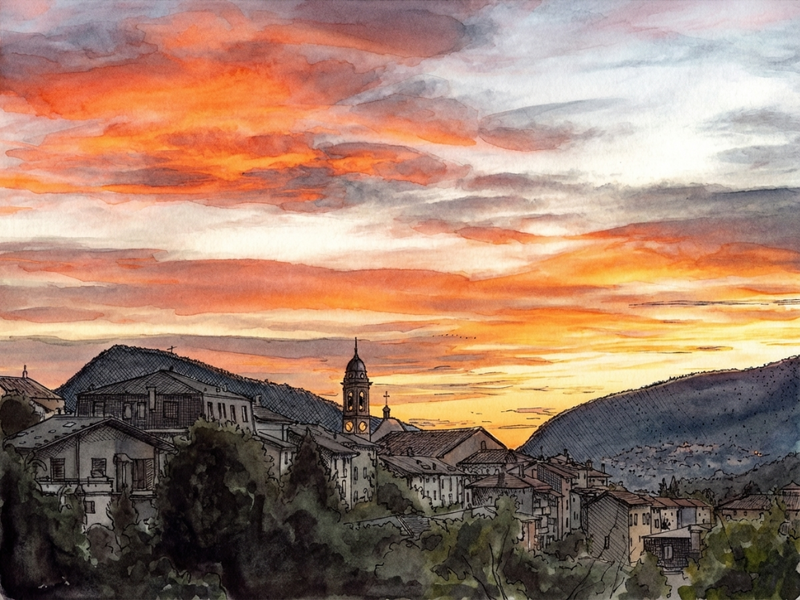
The scent of crisp alpine air and woodsmoke hangs over the narrow, stone-paved streets of Canzo, a town where the rugged personality of the Prealps meets the quiet elegance of Lake Como’s hinterland. Granite peaks like the Corni di Canzo tower over the valley, casting long shadows that dance across sun-drenched squares and the rushing waters of the Ravella stream. Locals gather at traditional trattorias to share hearty plates of polenta, while hikers disappear into the lush, emerald trails of the Gajum, seeking the stillness of the high-altitude forests. It is a place that feels deeply anchored in its Lombard heritage, balancing the raw, vertical energy of the mountains with the rhythmic, slow-paced charm of a community that has lived in harmony with the wilderness for centuries.

Commenti
Ancora nessun commento. Sii il primo a commentare!